

Blog
Royal Portrait Prints for a Home With Presence

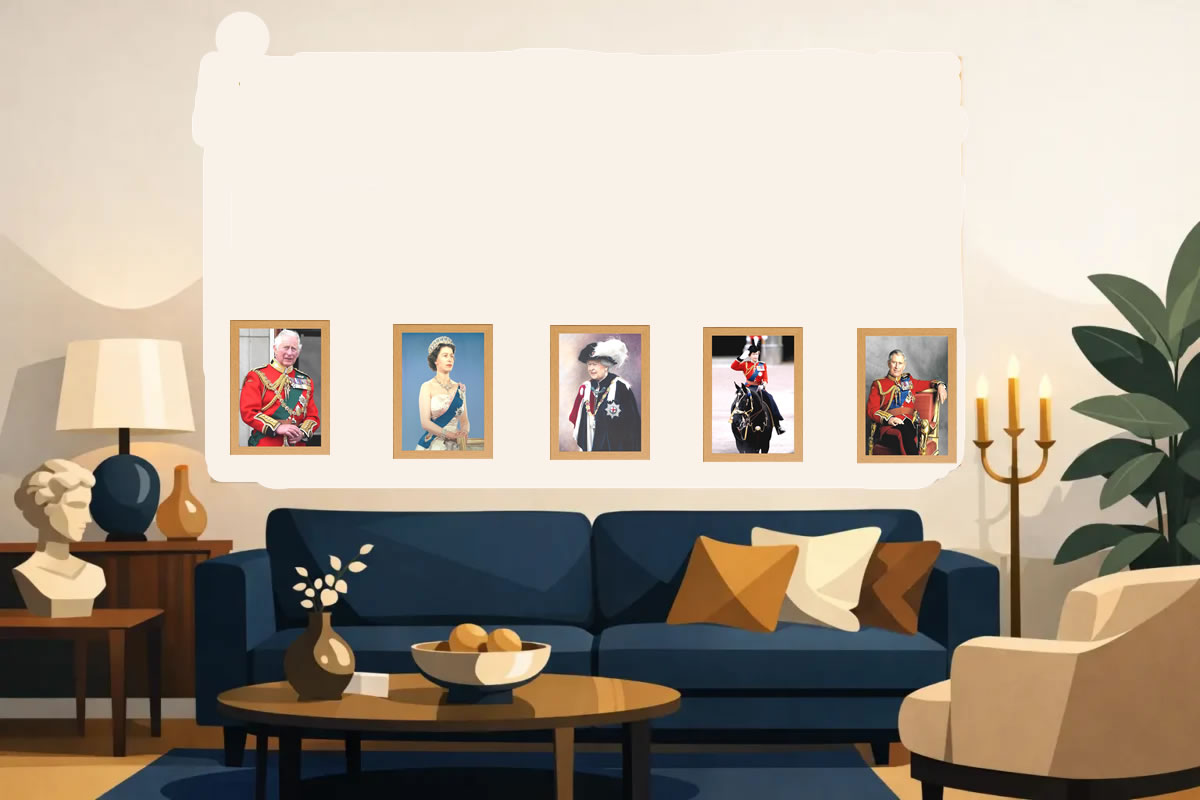
A royal portrait does more than fill an empty patch of wall. It brings a sense of ceremony, history and quiet confidence to a room – whether you live in a Victorian terrace, a new-build flat or a cottage with low ceilings. Royal portrait prints make that character easy to enjoy without the cost, scale or formality of an original painting.
For many homes, the appeal is not simply the crown, uniform or grand setting. Royal imagery often carries rich colour, striking fabrics and carefully composed poses that work beautifully as decoration. A framed print can add depth to a neutral hallway, give a sitting room a heritage feel, or make a thoughtful gift for someone who enjoys British history and traditional art.
Why royal portrait prints still feel at home
Royal portraiture has always been designed to make an impression. Historically, these paintings communicated status, continuity and national identity. At home, you can enjoy the visual side of that tradition: the deep reds, navy blues, gilded details, formal black dress and softly painted backgrounds.
This is why a royal picture can work in more places than people expect. It is not limited to highly traditional interiors. A classic portrait above a modern sideboard creates contrast and gives a streamlined room a little soul. In a period home, it can sit naturally alongside dark wood, brass lamps and inherited furniture. The secret is to treat the print as a focal point, rather than trying to make every object in the room look antique.
There is also a warmth to a well-chosen portrait. Faces give a room a human presence in a way that landscapes and abstract designs do not. A calm, direct expression can make a hallway feel welcoming, while a more formal state portrait brings drama to a dining space or study.
Choosing a portrait that suits your room
Start with the mood you want to create. A formal coronation or ceremonial image suits rooms that can carry a little grandeur, such as a dining room, entrance hall or home office. For a softer result, look for a portrait with pale tones, a relaxed pose, flowers or a lighter background. These can work particularly well in bedrooms and living rooms where you want history without heaviness.
Colour matters as much as subject. A portrait filled with ruby red, royal blue and gold details makes a strong statement against cream, warm grey, forest green or charcoal walls. If your room already has patterned curtains, a colourful rug or bold cushions, choose a print with a simpler background so the overall look does not become too busy.
Scale should be considered before style. Compact framed prints are ideal when you want a finished piece for a narrow wall, a shelf display, above a small console table or as part of a gallery wall. A ready-to-display glass-fronted framed print in a 10 x 13.5-inch format has enough presence to be noticed without taking over the room. It is also far easier to place than a very large canvas, especially in a first home or rented property.
The frame contributes to the effect too. A dark frame gives royal imagery a more traditional, collected look and can echo black furniture, iron curtain poles or picture rails. A lighter frame keeps the overall feel fresher and is often the better choice in smaller rooms. There is no need to match every frame exactly, but repeating one or two finishes across a wall helps it look intentional.
Think beyond the obvious rooms
A royal portrait in a hallway is an excellent conversation starter. Position it where it can be seen as you come through the door, perhaps above a slim table with a lamp and a small dish for keys. Keep the surrounding objects simple so the image has room to stand out.
In a bedroom, a portrait can replace the predictable botanical or fashion print. Pair it with plain bedding and one accent colour drawn from the picture, such as navy, dusty pink or burgundy. This creates a considered look without needing to redecorate the entire room.
Kitchens and dining areas can also benefit from a little formality. A small framed royal print near a dresser, breakfast table or drinks trolley brings personality to practical spaces. Just avoid hanging it where steam, splashes or direct heat may affect the frame over time.
How to style royal portrait prints without making a room feel like a museum
The most successful rooms mix old and new. You do not need velvet curtains, carved furniture and gold ornaments simply because your artwork is traditional. In fact, a royal portrait often looks better when paired with everyday pieces: a clean-lined sofa, a simple oak table, contemporary lighting or plain painted walls.
Give the print a visual partner rather than a themed entourage. A brass lamp can pick up a gold detail in the painting. A blue vase can echo a sash or uniform. A single red cushion can repeat the colour of ceremonial robes. These small connections make the art feel part of the room instead of an isolated addition.
If you prefer a more playful approach, use the portrait as part of an eclectic gallery wall. Combine it with a British landscape, a floral still life, a favourite black-and-white photograph and a small decorative print. The mix feels personal, while the portrait provides a strong anchor among lighter or more informal images.
Spacing is what keeps this arrangement polished. Leave a consistent gap between frames, usually around 5 to 8 cm, and lay the grouping on the floor first if possible. A gallery wall does not need to be perfectly symmetrical, but it should have an overall shape. A loose rectangle is usually easier to live with than pictures drifting randomly up the wall.
Hanging height makes a real difference
A beautiful print can look oddly misplaced if it hangs too high. As a general rule, aim to place the centre of the artwork around eye level. In many homes that means roughly 145 cm from the floor, although the right height depends on ceiling height and the furniture beneath it.
When hanging above a console, sofa or sideboard, leave a sensible connection between furniture and art. Around 15 to 20 cm above the top surface usually feels balanced. If the print is small, avoid centring it alone above a wide piece of furniture unless you add a lamp, vase or companion print nearby. Otherwise, it may look lost.
Natural light brings out the detail in portraiture, but strong direct sunlight can cause fading over time. Choose a wall that receives soft light, or use gentle lamp light in the evening. The glass front on a framed print gives a crisp, finished appearance, though it can reflect bright windows, so check the viewing angle before fixing it in place.
A gift with more character than the usual choice
Royal portrait prints are especially good gifts because they are decorative, recognisable and easy to display. They suit housewarmings, birthdays, weddings and Christmas, particularly for someone setting up a new home or adding personality to a study, reading corner or hallway.
The best choice depends on the recipient. A history enthusiast may enjoy a formal image from a specific reign. Someone with a more relaxed decorating style might prefer a portrait chosen for its colours and expression rather than its historical significance. A ready-framed print is useful here: it avoids the common problem of giving someone artwork they like but never get around to framing.
Affordable framed art also makes it possible to give a piece that feels thoughtful without making the occasion overly formal. At Stortvalley, the focus is on display-ready art that can go from parcel to wall with minimal fuss – a practical advantage when buying for another household.
Let the picture set the tone
Royal art does not have to mean a room full of tradition. It can be regal, witty, dramatic or surprisingly modern depending on where you place it and what sits around it. Choose a portrait with colours you genuinely enjoy, give it enough breathing space, and let its history add character to the everyday moments that happen in your home.