

Blog
12 Bedroom Wall Art Ideas That Feel Personal

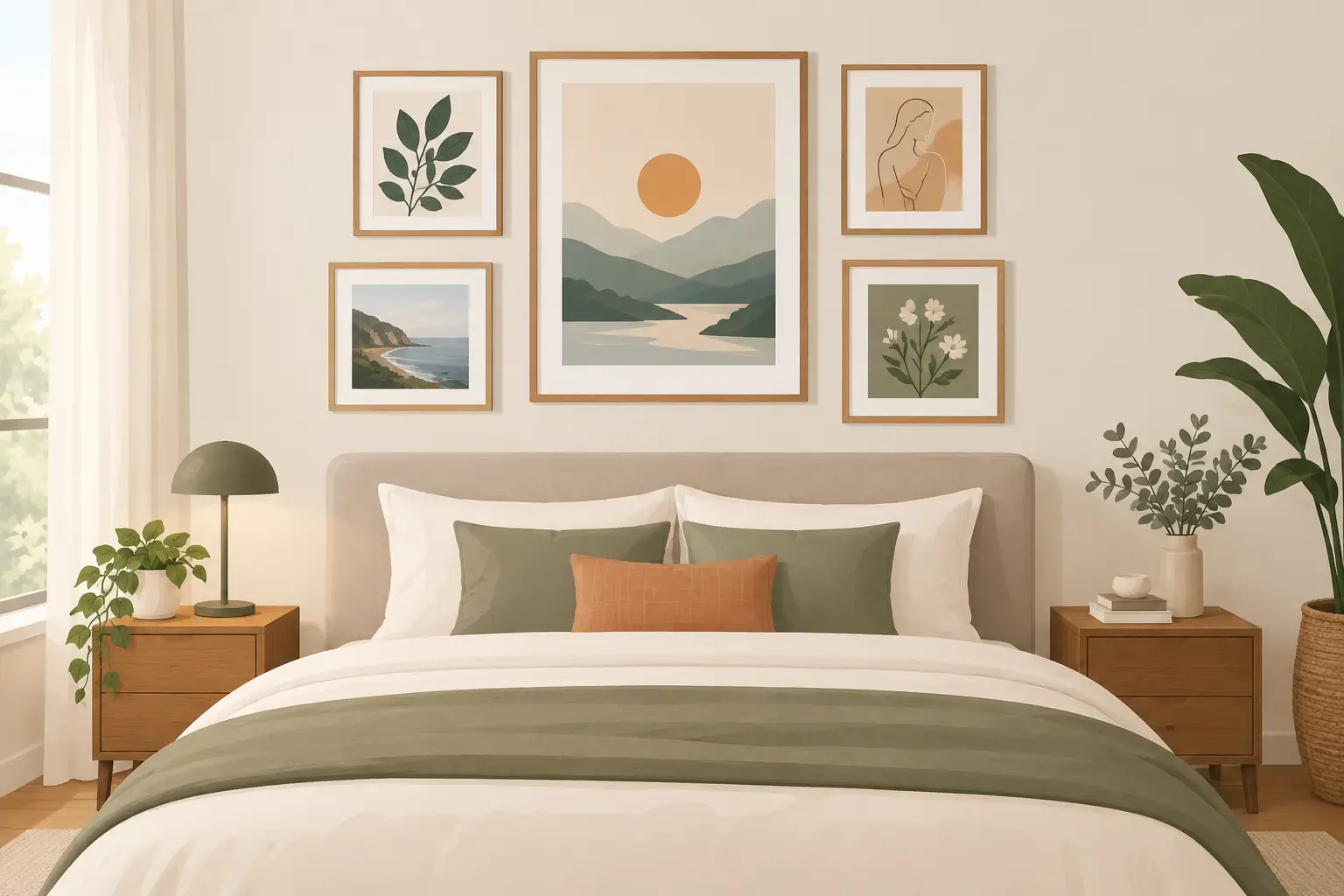
A bedroom can have freshly painted walls, lovely bedding and well-chosen furniture, yet still feel unfinished until the art goes up. The best bedroom wall art ideas do more than fill an empty patch above the bed. They bring in colour, character and a sense that this is your own room, whether you favour a peaceful country view, a famous painting or something playful and bold.
Bedroom wall art ideas start with the feeling you want
Before choosing an artist or frame, think about how you want to feel when you walk into the room. Bedrooms work hardest when they support rest, but that does not mean every wall needs to be pale and quiet. A calming room might suit a misty Constable landscape, soft French Impressionist garden scenes or a delicate floral print. A room with more energy could carry a Picasso portrait, a vivid Van Gogh or a graphic modern composition.
The useful question is not simply, “What matches my cushions?” It is, “What would I like to wake up to?” Art has a stronger presence than a scatter cushion because it is at eye level and seen every day. Choose an image you will still enjoy after the novelty of a redecorating project has passed.
If you share the room, look for common ground rather than trying to make every item neutral. A landscape, an architectural scene or a classic portrait can feel personal without being too specific to one person’s taste.
Let the wall decide the scale
The space above the bed is often the natural focal point, but it is not the only place for artwork. A narrow wall beside a wardrobe, the area above a dressing table or the space opposite the bed can all make a framed print feel intentional.
Above a headboard, a single compact framed print can look charming if the bed is in a smaller room or the wall already has strong features, such as panelling or a statement headboard. For a wider bed and a plain wall, a pair or trio usually creates better balance. Keep the overall arrangement narrower than the bed, so it feels connected to the furniture rather than stranded on the wall.
There is no need to fill every surface. One carefully placed picture often has more impact than several small pieces scattered without a plan. If your bedroom is compact, leave breathing space around the frame. That blank wall is part of the display.
1. Create calm with a classic landscape
Landscapes are a dependable choice for bedrooms because they give the eye somewhere to travel. Gentle rural scenes, coastlines and skies can make a busy room feel more settled. John Constable is particularly suited to traditional homes, cottages and bedrooms with natural wood, creams, sage green or soft blue.
For a more atmospheric look, choose a scene with dusky tones or a muted horizon. Bright summer countryside can work beautifully too, but it may be better in a room with enough daylight and a light, cheerful palette.
2. Use Impressionism for soft colour
French Impressionist artwork brings colour without the hard edges of a highly graphic print. Water lilies, garden paths, dancers and river scenes often contain several gentle shades, making them easy to coordinate with bedding and curtains.
Pick out one or two colours from the picture rather than trying to match everything exactly. A print with pale pink, blue and green might sit happily with cream bedding and one dusty-rose cushion. Exact matching can make a room feel overly planned; a loose colour connection feels more relaxed.
3. Add a recognisable artist above the bed
Familiar artists make art buying less daunting. Van Gogh’s expressive brushwork brings warmth and movement, while Picasso can add a more modern, confident note. These are especially good choices if your bedroom is simple and you want the wall art to do the talking.
A colourful Van Gogh can lift white walls and plain oak furniture. A line-based Picasso print may suit black, white, tan or terracotta schemes. The trade-off is mood: a dramatic image can energise the room, so consider placing it opposite the bed rather than directly above it if you prefer a quieter view at bedtime.
4. Choose portraits for a traditional room
Royal portraits and classic figurative art can give a bedroom a collected, heritage-inspired look. They work particularly well with velvet cushions, antique-style furniture, deep paint colours and brass details. In a newer home, a single traditional portrait can also be an appealing contrast against clean-lined furniture.
The key is confidence. Do not try to make every item in the room period-perfect. A classic portrait beside a modern bedside lamp can look considered rather than formal.
Match the frame to the room, not just the print
A ready-to-display framed print takes away the extra job of finding a frame that fits, but the frame still plays a part in the finished look. Black framing gives definition and works well in contemporary rooms or gallery-style arrangements. Lighter finishes tend to suit relaxed, country or Scandinavian-inspired interiors. A gold-toned frame can bring warmth to portraits, florals and traditional paintings.
Glass-fronted framed prints are particularly practical in bedrooms. They offer a clean, finished presentation and help protect the image from dust, which matters on walls that may not be cleaned as often as furniture. Avoid hanging artwork where it will catch strong, direct sunlight for long periods, as intense light can affect colours over time.
Make colour feel connected, not forced
Artwork does not need to repeat every colour in the room. Instead, choose one of three approaches. You can echo a shade already in the bedding, introduce a complementary colour for contrast, or let the artwork become the starting point for a future refresh.
For example, a Lowry print with muted industrial tones can suit grey, charcoal and off-white, but it can also look striking against a warm mustard throw. A floral painting may link to a single vase on the bedside table rather than a whole matching set. These small repetitions help the room feel joined up without turning it into a catalogue display.
If your walls are dark, do not assume you need pale art. A richly coloured print can look excellent against navy, forest green or deep plum, especially when its frame creates a clear edge. Conversely, light walls give you freedom to choose either subtle or dramatic imagery.
Try a small bedroom gallery wall
A gallery wall is a good answer when one image cannot tell the whole story. In a bedroom, it often works best above a dressing table, on the wall opposite the bed or up a staircase-style section of wall. Keep the arrangement more restrained than you might in a living room, as the bedroom should not feel visually crowded.
Begin with two or three pieces that share something in common: a similar frame colour, a related palette or a mix of classic artists. You might combine a small Van Gogh landscape with an Impressionist floral scene and a simple line drawing. Lay the frames on the floor first and adjust the spacing before making holes in the wall.
Leave roughly the same gap between each frame, usually a few centimetres, and hang the group as one shape rather than treating every picture separately. If the collection feels too busy, remove one piece. Editing is often what makes a gallery wall look polished.
Give sentimental art a proper place
Bedrooms are ideal for artwork that is more personal than public. A gift from a friend, a print that reminds you of a favourite holiday, or a picture chosen with a partner can all belong here. The image does not have to be rare or expensive to matter. What counts is that it earns its place on the wall.
Affordable framed art makes it easier to change the mood of a room without committing to a major renovation. A compact, glass-fronted framed print can be displayed straight away, then moved to a guest room, hallway or new home when you fancy a change. That flexibility is useful for first homes, rented flats and anyone refining their style over time.
At Stortvalley, familiar artists and decorative subjects are presented in ready-to-display formats, so choosing art can be about the enjoyment of the image rather than the complication of separate framing. Start with one print you genuinely like, hang it where you will notice it, and let the rest of the room grow around it.