

Blog
Best Art for Small Flats That Makes Walls Work

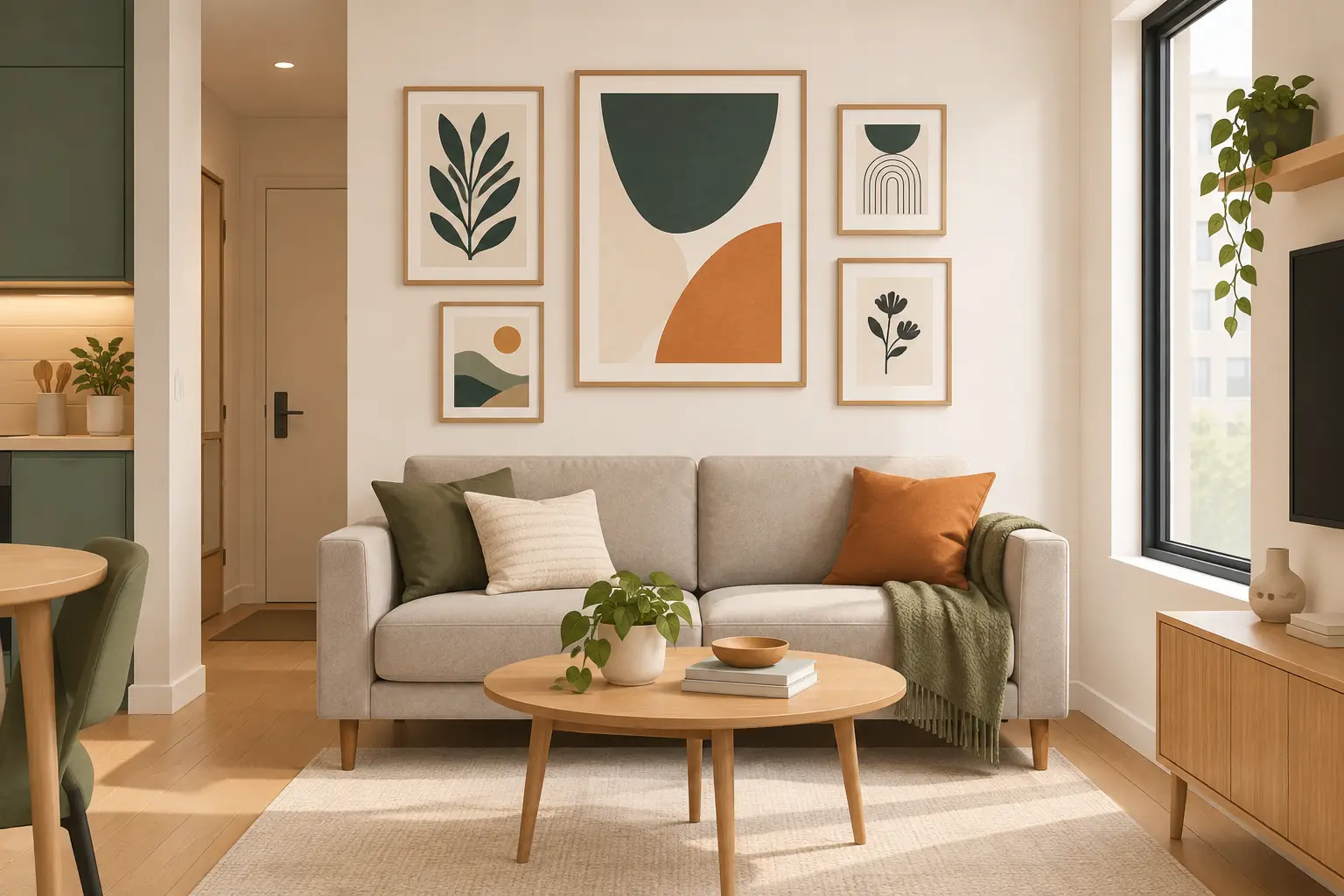
A small flat can make every decorating decision feel more visible. There is less room to hide a rushed purchase, but that is also why the best art for small flats has such a satisfying effect. One well-chosen framed print can give a rented bedroom personality, bring warmth to a narrow hallway or make a compact living room feel considered rather than crowded.
The answer is not simply to buy the smallest picture available. Art needs enough presence to be noticed, while leaving the room with breathing space. The right subject, frame and placement can make a modest wall feel like a feature, not a limitation.
What makes the best art for small flats?
For most small rooms, framed art works best when it creates focus without adding visual clutter. Choose images with a clear subject, a limited or harmonious colour palette, and a frame that suits the rest of the room. A compact framed print is often easier to live with than a large unframed poster: it looks finished straight away and gives a familiar artwork the presence it deserves.
Scale still matters. A tiny print floating alone over a sofa can look accidental, while one oversized piece may dominate a low ceiling or narrow wall. As a useful guide, art above furniture should usually take up around half to two-thirds of its width. In a small flat, this does not mean filling the whole space. It means choosing a piece that looks deliberately placed.
A 10 x 13.5-inch framed print is particularly useful for the smaller walls that flats often have: beside a bookcase, above a bedside table, at the end of a corridor or in the gap between windows. It is also an approachable size for building a grouped display over time.
Choose a subject that changes the feeling of the room
Art is one of the simplest ways to decide what a room is trying to say. In a compact home, this is helpful because a strong visual direction makes mixed furniture and practical storage feel more connected.
For light, open-looking rooms
Landscapes are a natural choice where a room needs depth. A John Constable scene, with open skies and countryside views, can make a wall feel less enclosed. Soft horizon lines encourage the eye to travel beyond the room, which is useful in a box room or a living area with limited natural light.
French Impressionist paintings can offer a similar lift. Their loose brushwork and garden, river or street scenes bring colour without the hard edges that can make a small room feel busy. Pick softer greens, blues, creams and warm pinks if your walls are pale and you want a relaxed, airy result.
For character in a compact living room
If your room is simple, a recognisable artist can do much of the decorative work. A Picasso print offers line, colour and conversation in one compact format. His bolder compositions suit modern furniture, neutral sofas and homes that need a little playful contrast.
For a cosier British feel, L.S. Lowry brings movement and atmosphere without needing a grand setting. His industrial scenes can look especially effective in a living room with charcoal, navy, rust or natural wood details. They have a sense of place that works beautifully in period conversions as well as newer flats.
For bedrooms and quieter corners
Bedrooms benefit from subjects you will not tire of seeing. Van Gogh’s expressive skies, flowers and landscapes bring energy, but the best choice depends on the particular image. A calmer floral or rural work can soften the space, while a dramatic night scene becomes a striking focal point above a bed.
Classic portraits and Victorian animal scenes offer a more traditional sort of warmth. Charles Burton Barber prints, for example, have an affectionate, homely quality that suits guest rooms, nurseries and family spaces. They are also thoughtful gifts for someone who wants art with charm rather than a passing trend.
Use colour to bring the flat together
You do not need to match every shade in a painting to your cushions. In fact, a perfect match can look overly planned. Instead, look for one or two colours in the artwork that can be repeated elsewhere in a subtle way: the ochre of a lampshade, the blue in a rug or the green of a houseplant.
In a neutral flat, art is often the easiest place to introduce colour. A Van Gogh print can add gold and cobalt blue to a cream room; an Impressionist scene can bring gentle pink and green to grey walls. If your furnishings already include pattern, choose a print with a simpler composition or a restrained monochrome frame so the room retains a calm centre.
Dark art is not off limits in small spaces. A moody landscape or royal portrait can add welcome depth, particularly on a wall that receives good daylight. The trade-off is that it needs some contrast around it. A pale wall, a light mount or clear space on either side stops a dark picture from making the whole corner feel heavy.
Make awkward walls work harder
Small flats tend to have plenty of in-between walls: the sliver beside a door, the space above a radiator, the short stretch at the end of a hallway. These are ideal places for art because they turn necessary circulation space into part of the home’s character.
Hang one compact framed print on a narrow wall rather than trying to force in shelving or furniture. In a hallway, choose a subject that rewards a quick look, such as a cheerful floral, a dog portrait or a familiar landscape. Keep the centre of the picture at roughly eye level, usually around 145 cm from the floor, adjusting slightly for a staircase or furniture below.
Above a desk, a single print helps create a distinct work corner even when the desk sits in a living room or bedroom. Choose something that lifts your mood without demanding too much attention. A peaceful Constable landscape or a bright Impressionist view is often more restful for daily use than a very detailed, dramatic scene.
Gallery walls without the clutter
A gallery wall can be one of the best art ideas for small flats, but it should feel edited. Too many unrelated frames on a small wall can make the room appear smaller. Start with three pieces rather than ten, and allow the collection to grow only if the wall still feels balanced.
The easiest approach is to keep one element consistent. Use matching black, white, oak or gold-toned frames, or choose works within a shared palette. You might pair a Lowry print with a vintage-style British scene and a simple architectural image, for example. The pictures do not need to be from the same period, but they should look as if they belong in the same home.
Lay the arrangement on the floor first. Leave roughly 5 to 8 cm between frames, then treat the group as one larger shape when deciding where to hang it. A compact cluster over a small sofa or dining table looks more confident than pictures scattered across separate walls.
If you are renting, check what your tenancy allows before using nails. Picture strips and removable hooks may be suitable for lighter framed prints, although it is worth following the manufacturer’s weight guidance and cleaning the wall surface first. For heavier pieces, secure fixings are the safer choice.
Let the frame earn its place
The image may be the main attraction, but the frame is what helps it sit comfortably in your home. A slim black frame suits contemporary interiors and graphic artworks. A pale wood finish can soften landscapes and botanical subjects. Gold-toned frames add a traditional note to classic paintings and portraits, particularly when the room already has warm metals in its lighting or hardware.
Ready-to-display framed art also saves a surprisingly common small-flat problem: the pile of prints waiting to be framed. When wall space is limited, buying a piece that arrives finished means you can assess its true scale and effect straight away. Stortvalley’s affordable glass-fronted framed prints make it easier to try a classic artist or build a coordinated display without treating art as a major investment.
Give each room one moment of attention
A small flat does not need art on every available surface. One thoughtful piece in the living room, a calmer image in the bedroom and a small print in the hallway may be all that is needed. Leave some walls bare so the artwork you do choose has room to be noticed.
Begin with the wall you see most often, then select a print you genuinely enjoy rather than one that merely fills a gap. A familiar painting, a favourite landscape or an expressive portrait can make even the smallest flat feel more settled each time you come home.