

Blog
Charles Burton Barber Dog Prints at Home

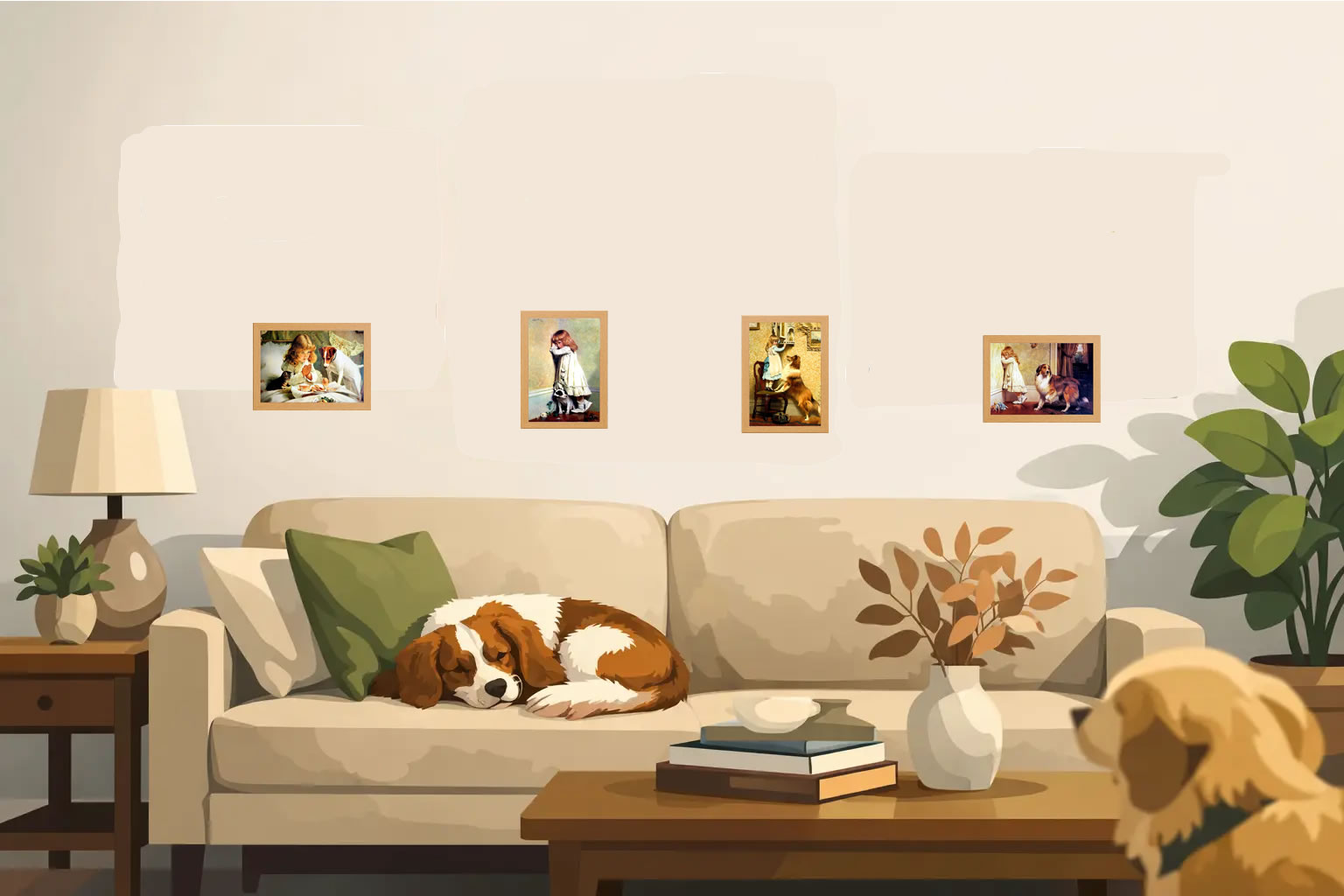
A child’s small hand resting on a patient dog’s head is a simple scene, but it can change the feeling of a room. Charles Burton Barber dog prints have an instant warmth that suits homes where family, pets and personality matter more than passing trends. They feel familiar without being dull, sentimental without needing to be overly sweet.
Barber’s paintings are especially appealing when a wall needs a little softness. A modern living room with plain paint, clean-lined furniture and practical flooring can look more lived-in with a Victorian dog portrait above a sideboard. In a child’s bedroom, hallway or snug, these pictures bring gentle character without demanding a complete change of décor.
Why Charles Burton Barber dog prints remain so popular
Charles Burton Barber was a Victorian painter best known for his affectionate scenes of children and animals. His dogs are not simply props placed beside a child in formal dress. They look watchful, playful, protective or quietly tolerant, which is exactly why the pictures still connect with animal lovers.
The best-known scenes often show everyday bonds: a child sharing a secret, a dog waiting beside a chair, or two companions caught in a moment of mischief. The detail in the fur, clothing and domestic surroundings gives each image a story-like quality. You can look at a Barber print for years and still notice a paw, a toy or an expression you had missed before.
There is also a practical reason these pictures endure. Their warm browns, creams, reds and soft greens work easily with traditional interiors, but they can provide a pleasing contrast in more contemporary spaces. Rather than trying to match every colour exactly, let the print introduce a warmer note to a room dominated by grey, white, navy or natural wood.
Choosing the right Barber print for your room
Start with the mood you want the wall to create. A picture of a child and a large, loyal-looking dog suits a family sitting room or hallway, where it can set a welcoming tone for visitors. More playful images are lovely for a nursery, playroom or bedroom. A quieter portrait, perhaps with a single dog looking towards the viewer, can work well in a study or reading corner.
Think about the room’s use as well as its palette. In a busy kitchen-diner, a detailed Victorian scene gives people something to pause over while the kettle boils. In a calm bedroom, choose an image with softer colours and less visual activity. If the space is small, one compact framed print can have more impact than a crowded arrangement of unrelated pictures.
A ready-framed, glass-fronted print is particularly useful if you want a finished look without the extra cost and effort of choosing a separate frame. Compact formats can sit neatly above a narrow console table, beside a bookcase or within a gallery wall. Before choosing, use masking tape to mark the approximate size on the wall. It is a quick way to see whether the piece needs to stand alone or be paired with other artwork.
Match the frame to the feel of the picture
A dark frame draws out the deeper tones in Barber’s paintings and can make the image feel more formal. It is a good choice for rooms with antique furniture, darker paint colours or rich textiles. A lighter frame feels fresher and is often easier to place in a pale hallway, modern flat or country-style bedroom.
You do not need to make every frame in the room identical. A mixture can look collected and personal, provided there is one element that ties it together. That might be black frames, warm wood finishes, cream mounts or simply a repeated Victorian theme. The aim is not perfection. It is for the wall to look intentional.
Where to hang a dog print
Hallways are a natural home for dog art. They are often short on furniture and can feel anonymous, yet they are the first part of the home guests see. A Barber print above a small bench or console brings instant friendliness. Hang the centre of the picture at roughly eye level, then adjust for the furniture below it. Above a console, leave enough breathing room so the artwork does not appear to sit on the surface.
In a living room, place a single print near a reading chair, beside a fireplace or on a smaller wall that would look lost with a large landscape. Barber’s domestic scenes reward close viewing, so they are often more effective in a spot where someone can sit nearby than high above a television.
For a child’s room, choose a position that can be enjoyed from the bed or reading corner. The picture should be securely fixed and kept clear of areas where it could be knocked. A framed art print is a thoughtful alternative to character-based décor because it can stay with the room as the child grows.
Creating a gallery wall with Victorian charm
Charles Burton Barber dog prints can look excellent alone, but they also have enough narrative detail to anchor a gallery wall. Pair one with botanical studies, vintage-style animal illustrations, gentle landscapes or family photographs in complementary frames. The contrast between a formal botanical print and Barber’s affectionate storytelling keeps the arrangement from becoming overly themed.
Avoid adding too many busy pictures around a detailed Barber scene. Give it a little space, particularly if it includes several figures, patterned clothing or a richly painted interior. Two or three supporting pieces may be enough on a small wall. If you are filling a larger area, place the Barber print slightly off-centre and build outward with calmer images.
A useful approach is to lay the arrangement on the floor first. Move the pictures until the colours and frame widths feel balanced, then take a photograph before hanging anything. This saves repeated nail holes and makes it easier to spot whether one piece is too close to another.
A gift that feels personal, not predictable
Dog-themed art is an easy gift choice, but Barber prints feel more considered than a generic pet accessory. They suit a new-home present, a birthday for a dog-loving parent, or a thoughtful addition to a grandparent’s sitting room. The Victorian setting gives the work heritage appeal, while the emotions are recognisable to anyone who has loved an animal.
The best choice depends on the recipient. Someone with a terrier who rules the household may enjoy a mischievous scene. A person who prefers classic interiors may favour a more formal image with rich colours and period detail. If you are unsure, choose a print based on the feeling rather than trying to find a dog that resembles their pet exactly.
Caring for framed prints
Keep glass-fronted artwork away from persistent damp, strong direct sunlight and the steam of a poorly ventilated bathroom. A bright wall is fine, but intense sun can make colours look less fresh over time. When cleaning, dust the frame with a soft dry cloth and avoid spraying cleaner directly onto the glass.
For an affordable way to add recognised Victorian art to a home, a ready-to-display Charles Burton Barber print offers more than decoration. It adds a small, kind-hearted scene to the everyday moments that make a house feel like yours.
One thought on “Charles Burton Barber Dog Prints at Home”