

Blog
Framed Art Buying Guide for Stylish UK Homes

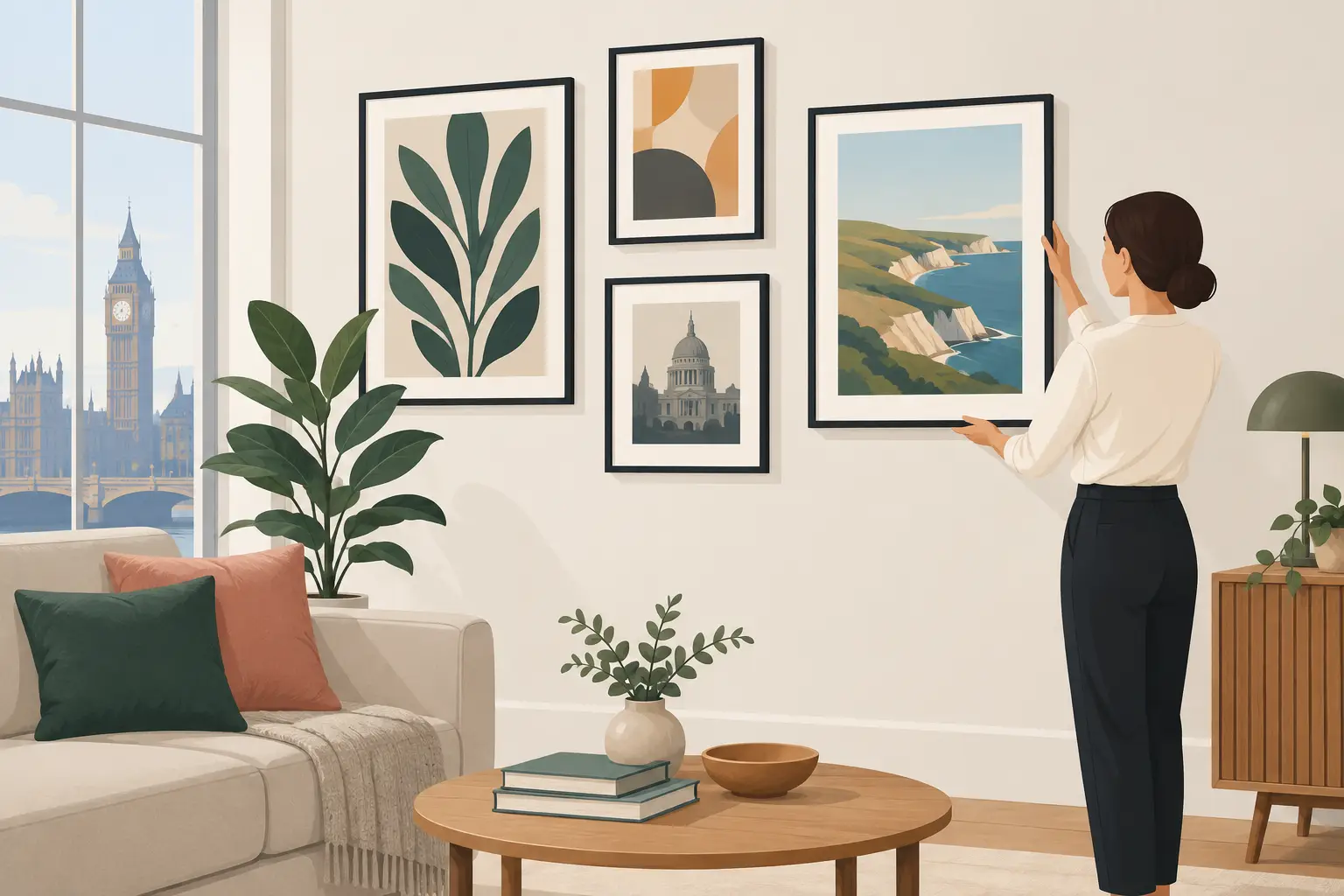
A blank wall can make an otherwise lovely room feel unfinished. The right picture changes that quickly, adding colour, character and a point of interest without the cost or disruption of redecorating. This framed art buying guide is for anyone who wants that finished look without having to become an art expert, source a separate frame or spend a weekend measuring mounts.
Ready-framed prints make established art easy to enjoy at home. Whether you are drawn to a Lowry industrial scene, a Van Gogh landscape, a Picasso portrait or the soft light of French Impressionism, the aim is not to choose the most famous picture. It is to choose the piece that feels right in your room.
Start with the room, not the artist
It is tempting to begin with a favourite painter, and that can be a very good place to start. Familiar art has lasting appeal, particularly if it reminds you of a place, a period or someone you love. But considering the room first helps you choose a print that will work every day, rather than one that looks good only on a product page.
A living room often suits art with presence. A colourful Impressionist garden, a dramatic Constable sky or a bold Picasso can give the space a clear focal point above a sofa, sideboard or fireplace. Bedrooms usually benefit from a quieter mood: coastal scenes, floral paintings, gentle landscapes and tender Victorian subjects can make the room feel more restful.
For a hallway, choose something that gives an immediate welcome. A compact framed print is ideal where wall space is limited, and a recognisable artist gives guests something to notice as they arrive. Kitchens and dining areas can carry more playful choices, from bright still lifes to charming animal portraits. There are no fixed rules, but the artwork should support how you want the room to feel.
Choose a style you will still enjoy next year
Art does not need to match every cushion or curtain. In fact, choosing a picture solely because it contains this season’s accent colour can make a room feel overly coordinated. Look instead for a style, subject or atmosphere you genuinely enjoy.
British heritage art brings familiarity and a sense of place. L.S. Lowry’s distinctive figures and townscapes suit homes that favour character, muted tones and a touch of northern history. John Constable’s countryside scenes are a natural fit for traditional interiors, cottage-inspired rooms and spaces that need softness without becoming overly sweet.
For something more expressive, Van Gogh offers movement, rich colour and unmistakable brushwork. His paintings can lift a neutral room, particularly when the walls are cream, soft grey, deep blue or warm white. Picasso is a strong choice for more modern interiors, where a graphic portrait or abstracted form can add confidence to simple furniture and clean lines.
French Impressionist prints are especially versatile. Their broken brushstrokes, gardens, rivers and city scenes work well with both classic and contemporary décor. If you are buying a gift, this broad appeal makes them a reassuring choice. Royal portraits and classic paintings, meanwhile, bring formality, humour or grandeur depending on the image and where it is placed.
Use colour as a guide, not a restriction
The easiest way to make framed art look considered is to repeat one or two colours already present in the room. You might pick up the blue in a rug, the green of houseplants or the warm ochre of a chair. The connection can be subtle. Art that includes several tones is often easier to live with than a print built around one very bright shade.
If your room is mostly neutral, art can provide the colour. A vivid sunflower painting, a blue-toned seascape or a picture with a rich red detail brings energy without committing you to painted feature walls. If your furnishings are already colourful, look for a print with calmer tones so the room does not start to compete with itself.
Black, white and dark wood furniture are particularly forgiving. Almost any palette can work against them, although the mood will change. Pale Impressionist work keeps the look light; darker landscapes and traditional portraits create more depth. Before deciding, stand back and consider the view from the doorway. That first sightline matters more than a tiny colour match noticed only at close range.
Get the size and placement right
A ready-to-display framed print is a simple answer to smaller wall spaces, shelves and narrow stretches between doors or windows. A compact glass-fronted framed format, such as 10 x 13.5 inches, has enough visual weight to be noticed while remaining easy to place in a bedroom, hallway, home office or kitchen.
Above furniture, avoid hanging a small picture too high or too far away from what sits beneath it. The artwork should look connected to the sofa, console or chest of drawers, rather than floating alone near the ceiling. As a useful starting point, position the centre of the picture around eye level. In a room where people mainly sit, such as a lounge, it can sit a little lower.
One compact print can look elegant above a bedside table or next to a reading chair. Over a larger sofa, it may work best as part of a pair or a small arrangement. This is where buying affordable framed art is helpful: you can build a considered display over time, rather than feeling pressure to find one oversized statement piece immediately.
Framed art or an unframed print?
An unframed print can appear cheaper at first, but it leaves you with several extra decisions. You need to choose a frame, check the size, buy hanging hardware and hope the finished combination suits the room. The cost can rise quickly, especially if you want glass protection and a neat, balanced result.
A ready-framed print gives you a complete presentation from the moment it arrives. The frame defines the artwork, the glass front helps protect the image from everyday dust and handling, and the piece is ready to hang or display on a shelf. For first homes, rented flats and gifts, that convenience is a real advantage.
There is a trade-off. A pre-framed piece gives you less freedom to choose a completely bespoke frame colour or mount style. Yet for many homes, a simple, tidy frame is exactly what is needed. It lets the image do the work and makes changing a room feel achievable on a sensible budget.
Create a gallery wall with a clear idea
Gallery walls look relaxed when they have some structure behind them. The easiest starting point is a shared thread: perhaps British artists, landscapes, portraits, dogs, floral pictures or a mixture of favourite paintings in similar tones. Without that connection, a collection can look accidental rather than personal.
Lay the framed prints on the floor first and move them around until the arrangement feels balanced. A central picture can anchor the group, with smaller pieces placed around it. Leave a fairly even gap between frames and think about the overall shape, not just each individual print. A loose rectangle often works well above a sofa, while a vertical cluster can bring life to a staircase wall.
Mixing artists is encouraged. A Lowry beside a muted landscape or an Impressionist garden near a classic portrait can tell a more interesting story than a perfectly matched set. The key is to give the eye something in common to follow, whether that is colour, frame finish, subject matter or scale.
Buy art as a gift with confidence
Framed art is a thoughtful gift because it feels personal without needing to know someone’s exact clothing size or taste in perfume. Choose an artist they have mentioned, a scene linked to a favourite place, or a subject that suits their home. Animal paintings and classic portraits can be especially good for people who enjoy traditional charm, while Van Gogh and Picasso are dependable choices for art lovers who favour recognisable names.
If you are unsure, choose a versatile image in a practical size. A compact framed print gives the recipient options: they can hang it straight away, place it on a shelf or incorporate it into a growing gallery wall. At accessible price points, including framed pieces around £19.99, fine art imagery becomes a gift that feels considered rather than extravagant.
A final check before you choose
Ask yourself one simple question: where will this picture live? If you can picture it above the desk, beside the bed or welcoming people in the hall, you are close to the right choice. Stortvalley’s ready-framed art is designed to make that decision easier, bringing well-loved artists and decorative subjects into ordinary homes without the usual framing fuss.
Choose the image that makes you pause for a second longer. That small reaction is often a better guide than trends, rules or the name on the label, and it is what will make a wall feel like yours.